In the United States, workforce compliance is no longer defined solely by working time regulations, it is increasingly shaped by how employee data is captured, processed and secured. Laws such as the Biometric Information Privacy Act in Illinois have set new standards for the use of biometric data, particularly in time tracking and access control. At the same time, employers must navigate complex federal and state-level requirements around working hours, overtime and employee classification. This combination creates a high-risk environment where inaccurate time records, non-compliant data collection or insufficient transparency can quickly lead to legal exposure, financial penalties and reputational damage.
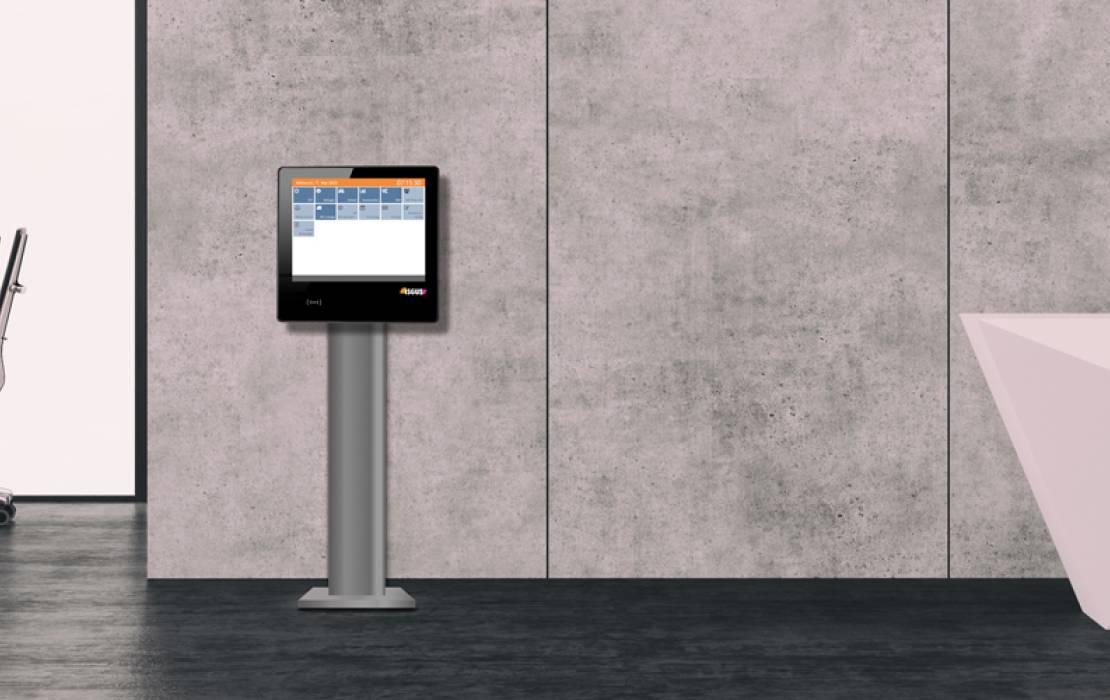
ZEUS® Access Control, ZEUS® Time and Attendance and the Terminals from ISGUS provide an integrated solution to address exactly these challenges. By combining secure access management with precise, real-time time recording, organisations gain full control over who enters their facilities, when employees start and end their work, and how working time is documented across locations. The Terminals from ISGUS act as the central interface, enabling flexible identification methods, from classic badge systems to biometric options, while ensuring that all data collection processes can be configured in line with applicable legal frameworks such as biometric consent and data protection requirements.
At the same time, all captured data flows into a centralised Workforce Management platform, where it is processed, structured and made fully traceable. This creates a single, reliable source of truth that connects physical access, attendance data and workforce operations. Companies can not only document compliance with working time laws, but also demonstrate how data is collected, stored and used, an increasingly critical factor under biometric regulations and in litigation-driven environments. By integrating access control, time tracking and terminals into one cohesive system, ZEUS® enables organisations to reduce complexity, eliminate data silos and ensure that compliance is built into every interaction, from the moment an employee enters the building to the final audit of recorded working hours.